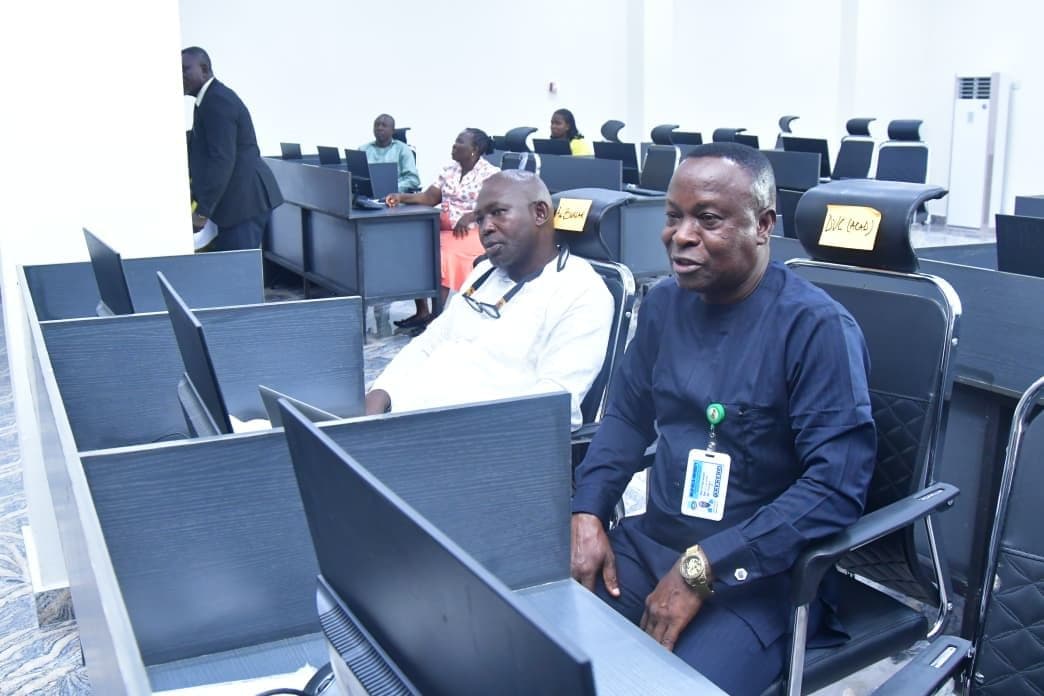
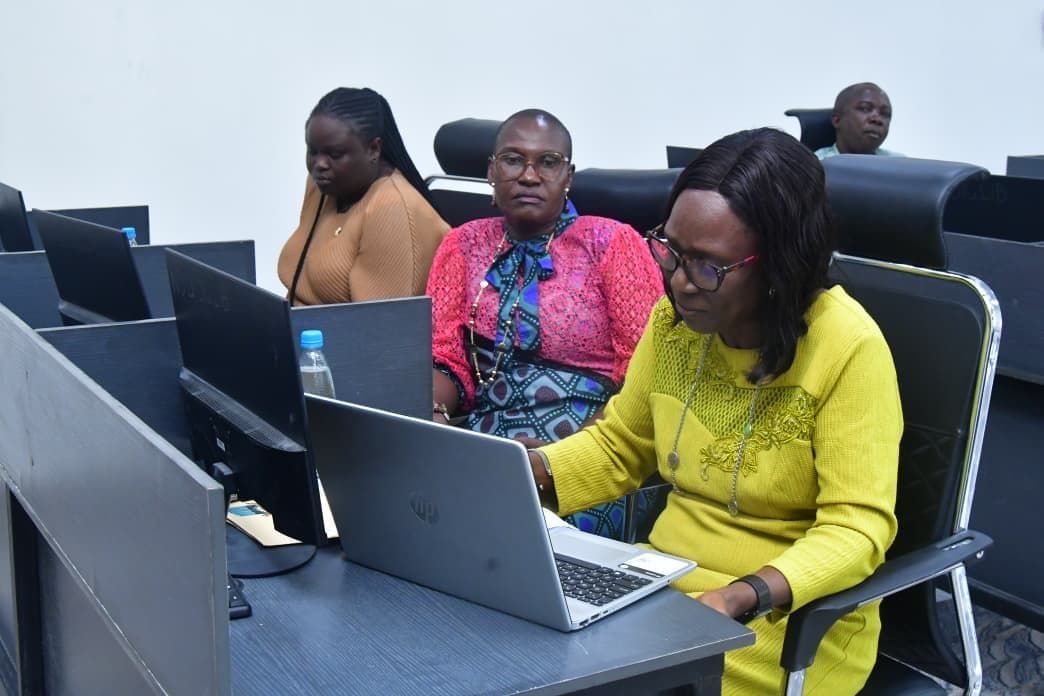
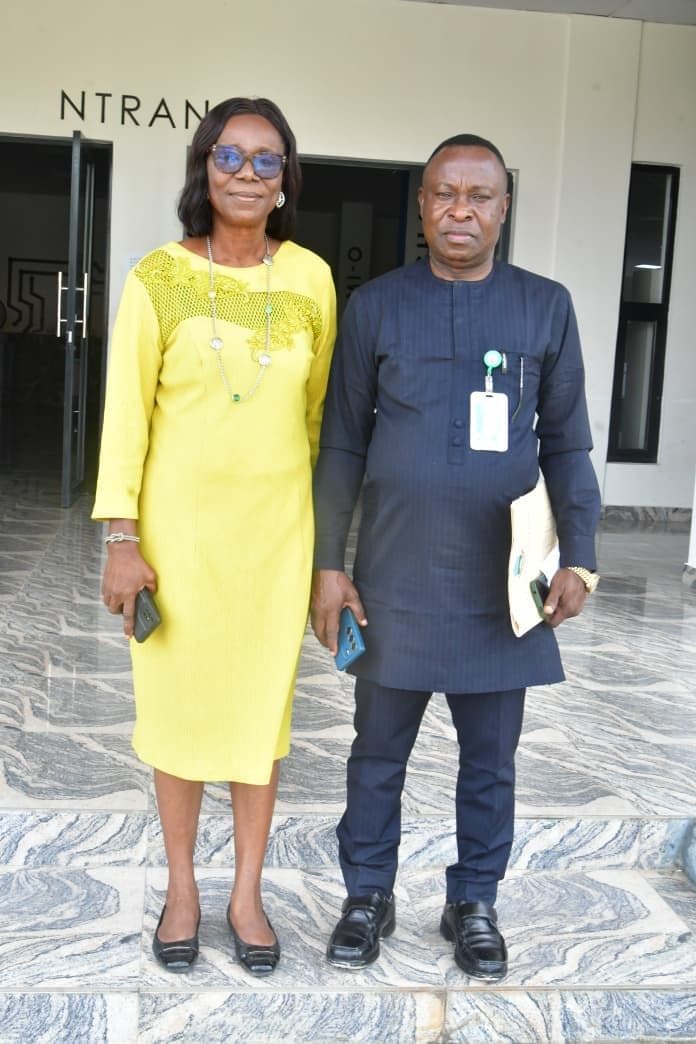
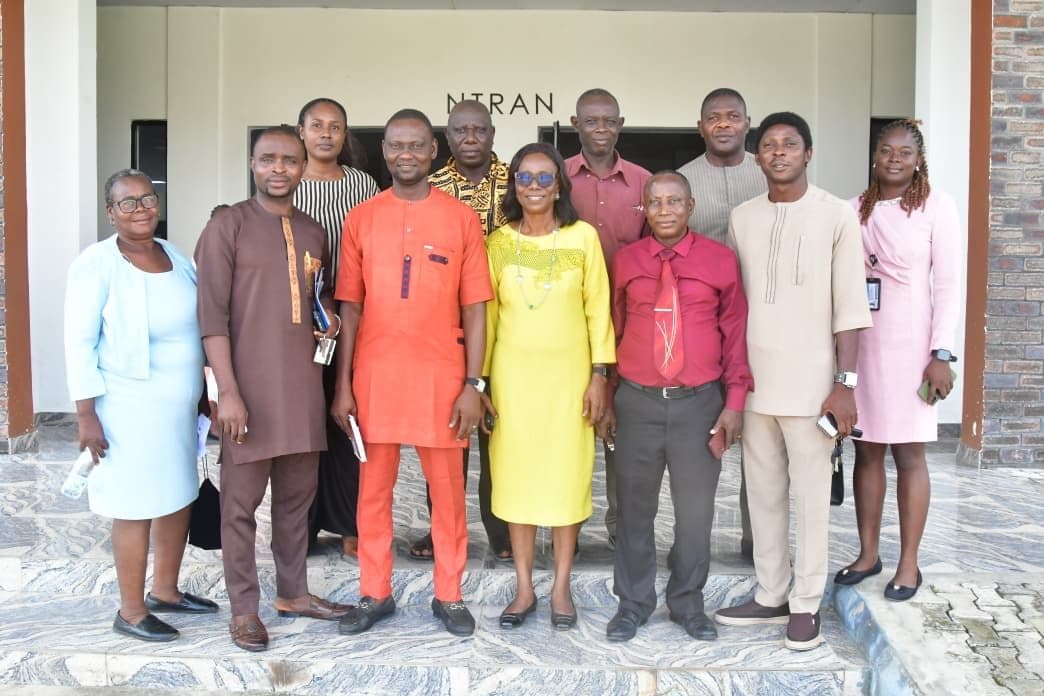
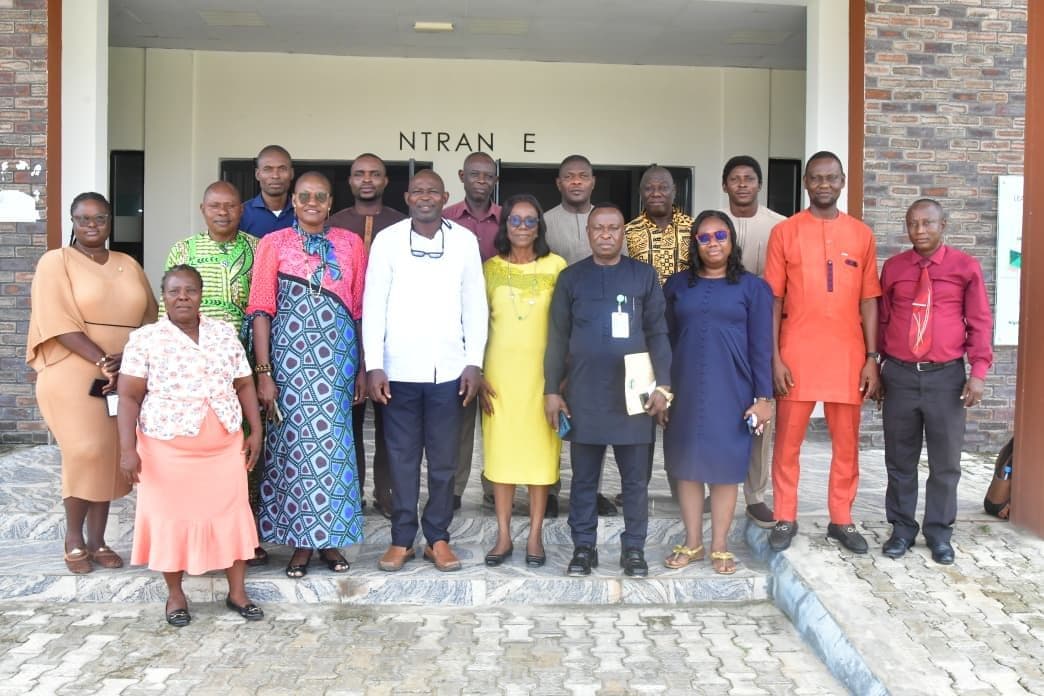
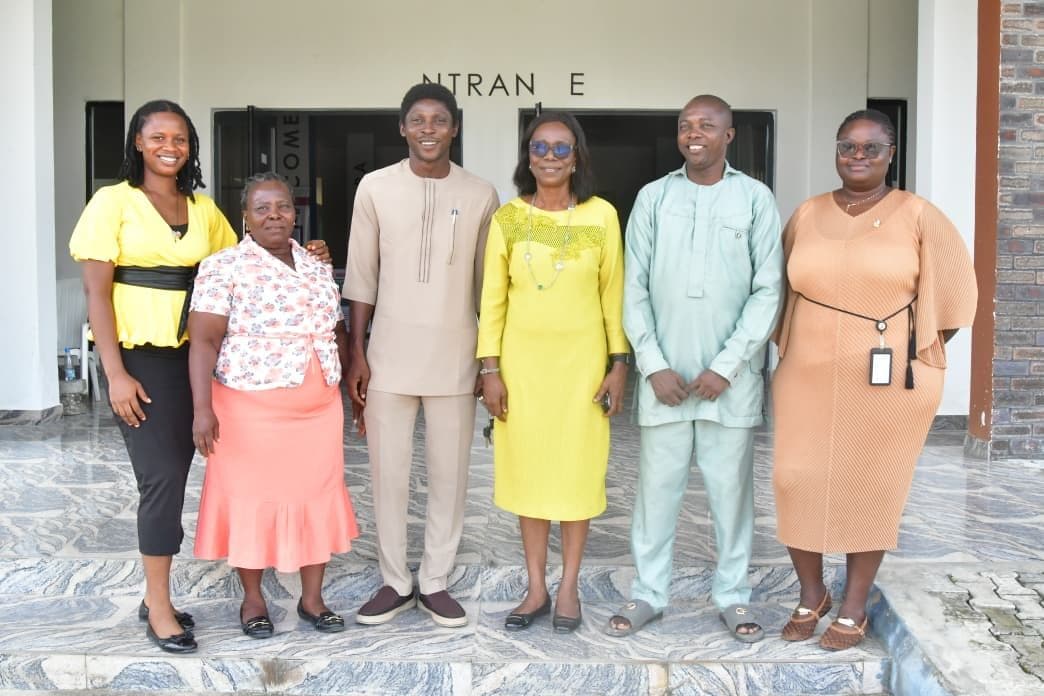
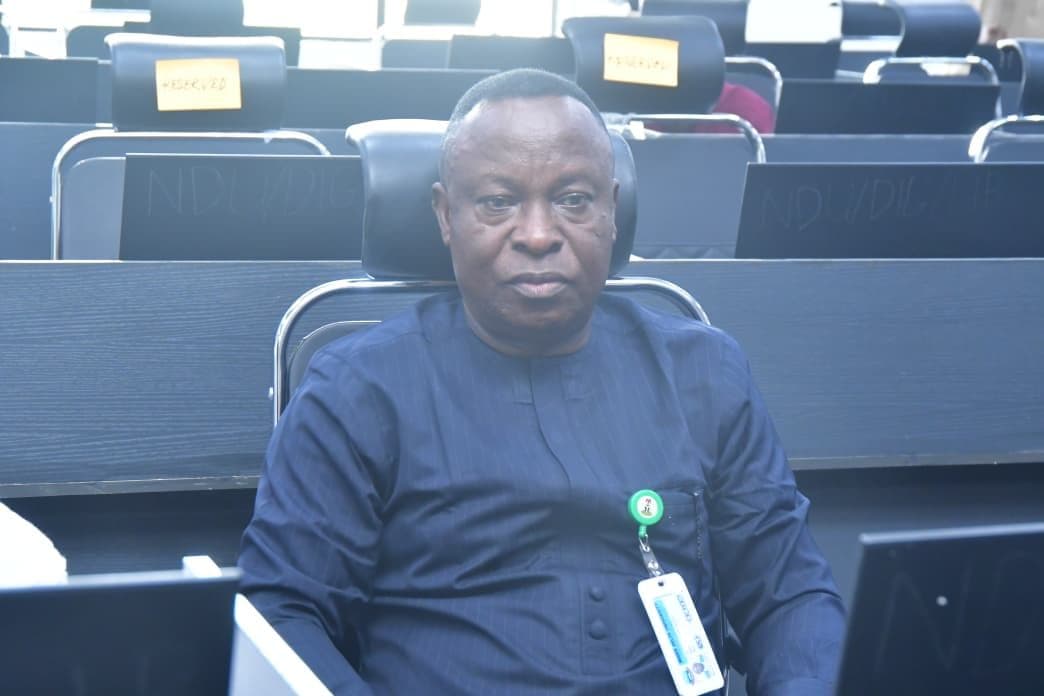
The Centre for Open, Distance and e-Learning (CODEL), Niger Delta University (NDU) has successfully hosted its 1st Public Lecture, with education experts, university administrators, academics and stakeholders converging virtually to examine the transformative role of Open and Distance Learning (ODL) in expanding access to quality higher education.
The lecture, held on Tuesday, June 30, 2026, was themed:
"Open and Distance Learning: The Future of Higher Education."
The lecture featured Professor Tayo Arulogun, Vice Chancellor of MIVA Open University, as Guest Speaker, while the event was hosted by the Director of the Centre for Open, Distance and e-Learning, Professor Nnenna N. Benwari.
Representing the Vice Chancellor of Niger Delta University, Professor Allen A. Agih, was the Deputy Vice Chancellor (Academic), Professor Jonah Akekere, who delivered the Vice Chancellor's remarks and reaffirmed the University's commitment to embracing innovative teaching and learning models that improve access, flexibility and academic excellence.
Also present at the event was the Acting Librarian, Professor Pereware A. Tiemo, alongside members of the University community, academics, students and participants from within and outside Nigeria.
Education Without Boundaries
Delivering a thought-provoking lecture, Professor Tayo Arulogun described Open and Distance Learning as a learner-centred educational model that removes the limitations of time, location and conventional classroom settings.
According to him, ODL allows learners to study at their own pace, from any location, while balancing education with work, family and other responsibilities. He noted that modern technology has made quality education more inclusive, scalable and accessible to millions of learners regardless of geographical or socio-economic barriers.
He emphasized that ODL is no longer an alternative form of education but is rapidly becoming the future of higher education globally.
Professor Arulogun identified several advantages that make Open and Distance Learning indispensable in today's educational landscape.
He noted that ODL expands access to learners irrespective of their location or personal circumstances, offers flexibility for individuals who combine education with work or family responsibilities, reduces the overall cost of learning, accommodates large student populations without the need for additional physical infrastructure, and promotes lifelong learning by supporting continuous reskilling and professional development throughout one's career.
Lessons from Global Success Stories
Drawing from international experience, the Guest Speaker highlighted institutions that have demonstrated the effectiveness of Open and Distance Learning.
These include:
* The Open University, United Kingdom, renowned for combining open access with academic excellence.
* Indira Gandhi National Open University (IGNOU), India, the world's largest university by enrolment.
* University of South Africa (UNISA), Africa's foremost distance education institution.
* National Open University of Nigeria (NOUN), Nigeria's leading ODL institution with more than 190,000 students across over 128 study centres.
According to him, these institutions prove that quality, scale and global recognition are achievable through properly implemented Open and Distance Learning systems.
Artificial Intelligence and the Digital University
A major highlight of the lecture was the emerging role of Artificial Intelligence (AI) in higher education.
Professor Arulogun explained that AI is reshaping learning through intelligent tutoring systems, adaptive learning technologies, automated assessment and personalised learning pathways that respond to the unique needs and learning pace of every student.
He added that future universities will evolve into digital ecosystems where data-driven decision-making, flexible programme delivery and strong industry partnerships become the foundation for producing globally competitive graduates.
Addressing Existing Challenges
While acknowledging the immense opportunities presented by ODL, the speaker identified challenges including inadequate digital infrastructure, limited internet connectivity, digital literacy gaps, quality assurance concerns and sustainable funding.
He stressed that these challenges are surmountable through strategic investments in broadband infrastructure, capacity building for educators and learners, robust accreditation frameworks and stronger public-private partnerships.
Africa's Moment
Professor Arulogun described Africa as possessing the greatest opportunity to benefit from Open and Distance Learning.
With the continent's rapidly growing youth population, expanding internet penetration, increasing smartphone adoption and fast-growing digital economy, he noted that Africa is uniquely positioned to leapfrog traditional educational models and provide quality higher education to millions through digital platforms.
He maintained that the continent has the opportunity to transform past limitations into future competitive advantages by investing deliberately in digital education.
Looking ahead, the Guest Speaker painted a picture of the future learner—one who studies from anywhere, receives personalised AI-assisted support, collaborates with peers across continents, earns stackable credentials throughout a career and competes successfully in the global digital economy.
He stressed that geography should never determine educational opportunity or destiny.
Concluding the lecture, Professor Arulogun reaffirmed that Open and Distance Learning represents the future of higher education because it is flexible, digital, intelligent and inclusive.
He encouraged universities across Africa to embrace technology-enabled education in order to widen access, promote lifelong learning and prepare graduates for the demands of an increasingly digital world.
The maiden public lecture marked another significant milestone in Niger Delta University's commitment to educational innovation and its vision of positioning itself at the forefront of technology-driven higher education in Nigeria and beyond.