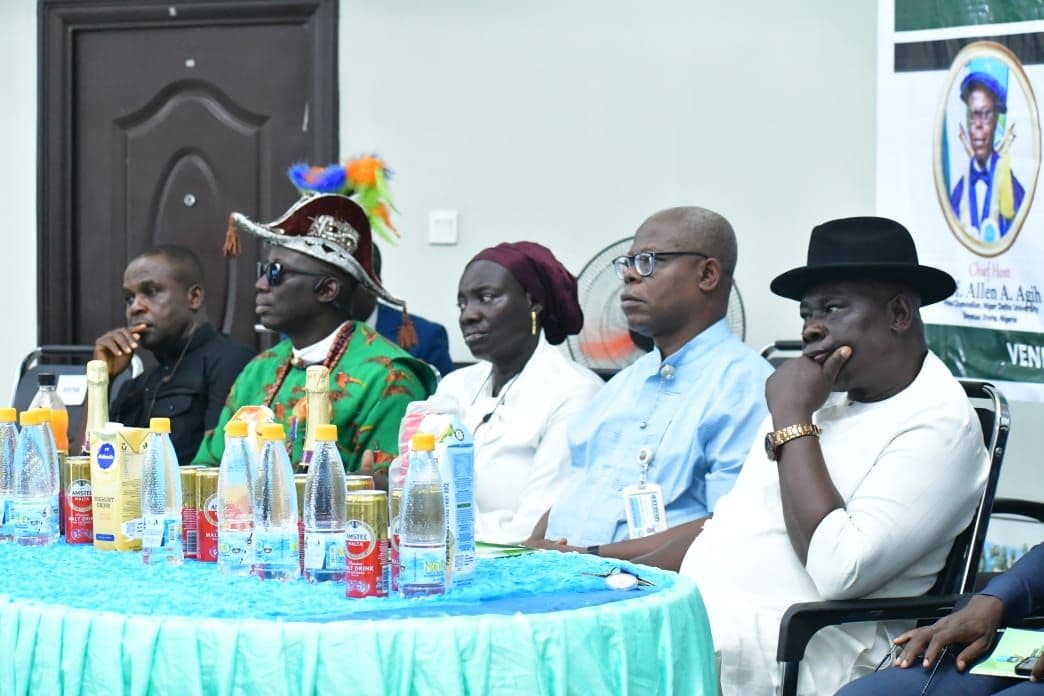
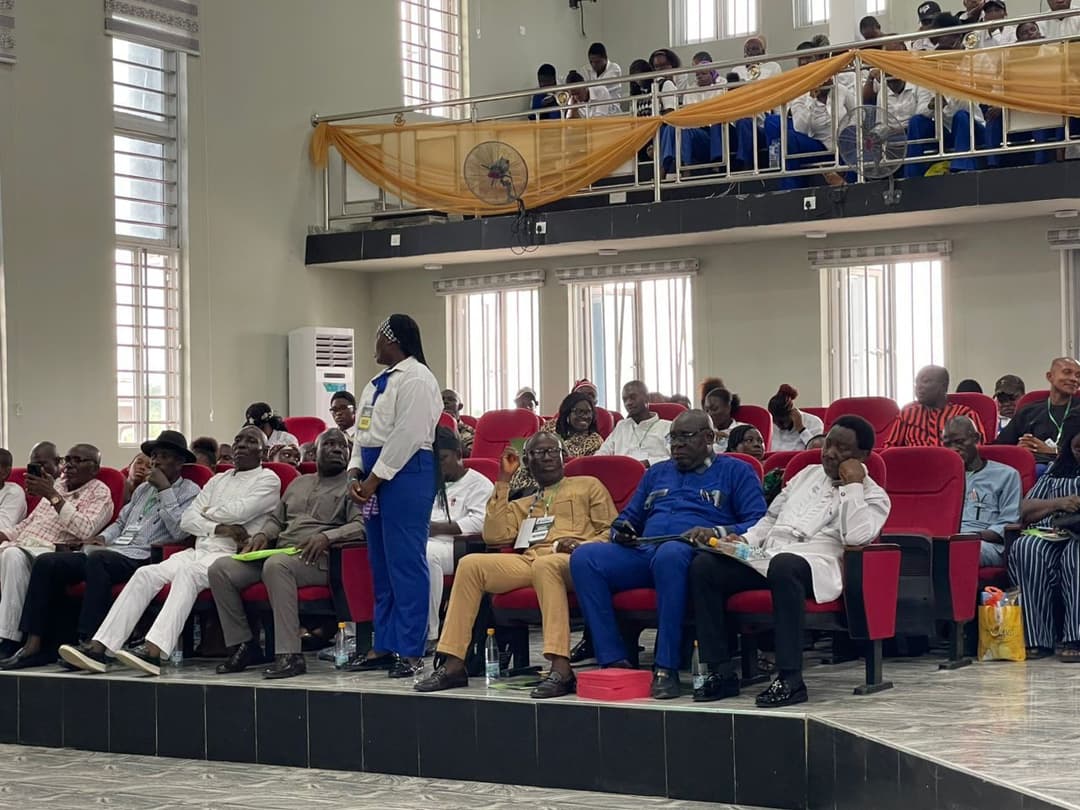
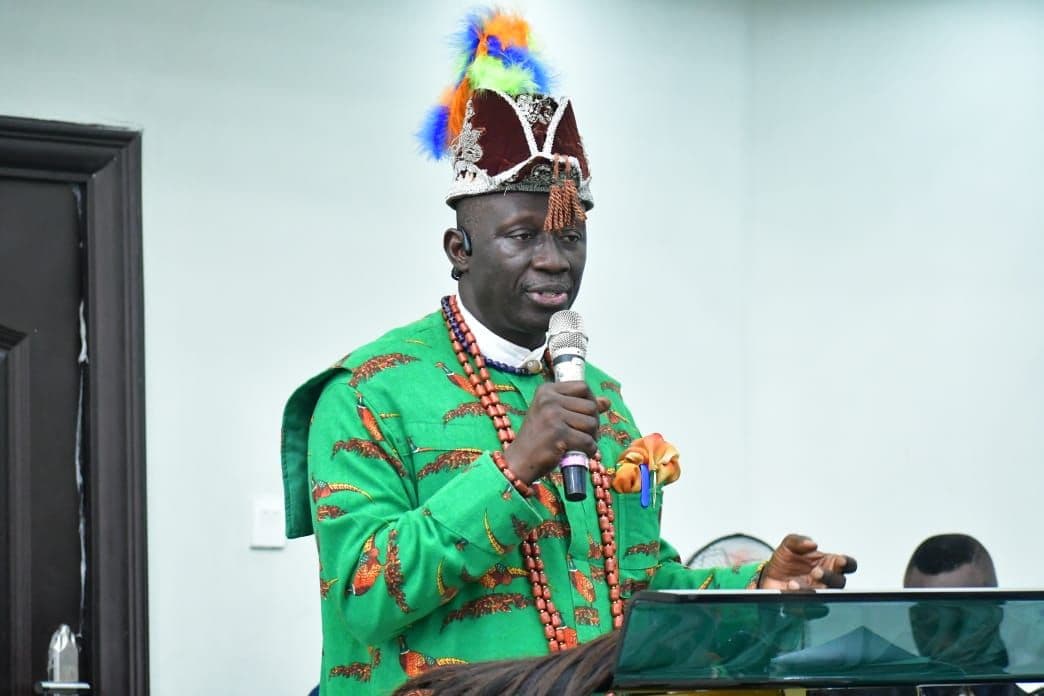
Faculty of Social Science 4th International Hybrid Conference hosted by the Faculty of Social Sciences at Niger Delta University convened on Thursday, May 14, 2026, at the ASUU Secretariat on the Gloryland Campus Extension with a clear and urgent mandate: to move beyond theoretical debate and establish a practical roadmap for Africa’s future. Under the theme, “Re-imagining Africa’s Future: Governance, Digital Transformation, and Inclusive Development,” the conference brought together scholars, administrators, and policy thinkers to examine the structural and psychological barriers slowing the continent’s advancement.
Setting the tone for the conference, the Royal Father of the Day delivered a strong critique of the global economic imbalance confronting Africa. He highlighted the continent’s staggering annual deficit estimated at $350 billion, describing the disparity between the approximately $400 billion lost through resource exploitation and the mere $50 billion returned as aid. According to him, the persistence of this imbalance reflects the absence of Africa-centered governance and a fragmented continental strategy.
This position resonated with the Vice-Chancellor of Niger Delta University, Prof. Allen A. Agih, who called for Africans to reclaim and redefine their own narrative. Drawing comparisons with Singapore, he stressed that Africa’s progress depends not on external validation, but on values rooted in hard work, humility, discipline, and honesty.
The conference’s intellectual foundation was strengthened by the keynote address delivered on behalf of Prof. Onuchukwu Okechukwu by Prof. Allwell Ntega. The keynote challenged the perception of digital transformation as an isolated solution, arguing that Africa remains largely a consumer of foreign technologies instead of a producer. Prof. Ntega identified what he described as the “Four Walls” of stagnation: inadequate infrastructure, high operational costs, poor funding, and a weak manufacturing sector. He maintained that without addressing these foundational issues, conversations about digital transformation would remain largely symbolic.
He further advocated for a governance model anchored on accountability, where citizens consistently demand transparency and responsiveness from leaders, while small and medium-scale enterprises are recognized and supported as the true drivers of sustainable economic growth and inclusive development across the continent.