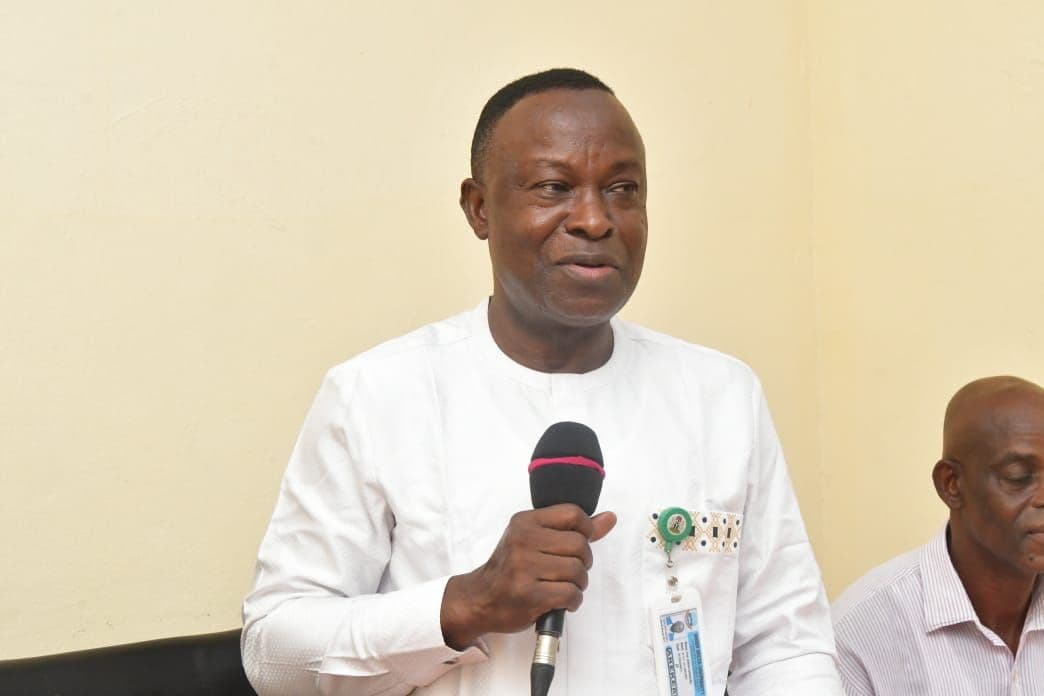
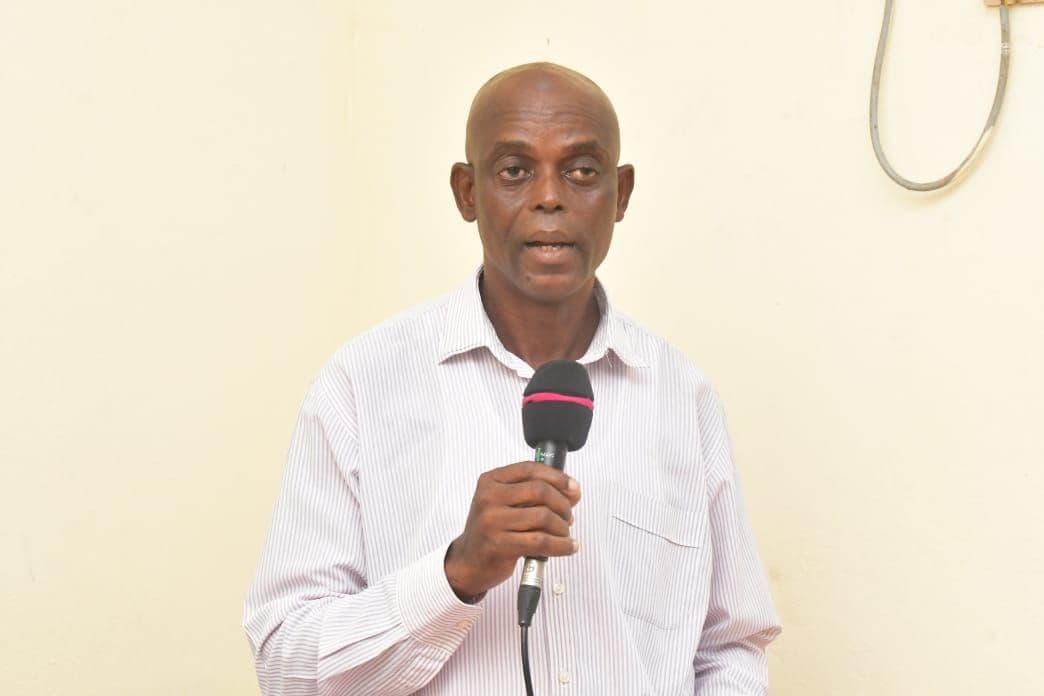
Niger Delta University (NDU), Wilberforce Island, Bayelsa State, hosted the flag-off ceremony of the National Cassava Bio-Ethanol Feedstock System, a Federal Government initiative aimed at promoting sustainable agriculture, renewable energy, research commercialization and economic diversification.
Representing the Vice Chancellor, Prof. Allen A. Agih, the Deputy Vice Chancellor (Academic), Prof. Jonah Akekere, reaffirmed the University's commitment to research-driven development, describing the project as one that aligns with NDU's vision of innovation, entrepreneurship and community service. He assured the National Project Team of the University's full support toward the successful implementation of the initiative.
The Dean, Faculty of Agriculture, Prof. Ogaga Augustine Aghoghovwia, described the project as a major boost to agricultural education, noting that it would provide students with practical industry experience while strengthening research, innovation and university-industry collaboration.
The Rector of the Bayelsa State Institute of Entrepreneurship and Vocational Training (BSIEVT), Elebele, Dr. Edwin Agbana, who facilitated the introduction of the project to NDU and serves as its supervisory partner, described the initiative as a transformative platform that integrates agriculture, research, entrepreneurship and renewable energy. He commended the University's leadership for embracing the project and pledged continued technical support for its successful implementation.
Delivering the keynote address on behalf of the National Coordinator, Prof. Olumuyiwa James Jayeoba, the National Project Officer, Dr. Newton Ovie, highlighted the importance of diversifying Nigeria's energy sources through bioethanol production. He disclosed that despite Nigeria's enormous cassava production potential, about 99.7 percent of the country's bioethanol is imported, emphasizing the need to develop local capacity.
Dr. Ovie explained that locating the project in tertiary institutions would provide practical training for students, bridge the gap between research and industry, encourage entrepreneurship and position universities as centres of agricultural innovation and economic development. He also revealed that international development partners, including GIZ, AFD, the Government of Korea and UNESCO, are monitoring the initiative.
The ceremony concluded with a call on staff, students and stakeholders to embrace the project as a catalyst for sustainable development, employment creation and Nigeria's transition to renewable energy.